Identifying Media Manipulation in the Political Arena

By Hannah Pennell

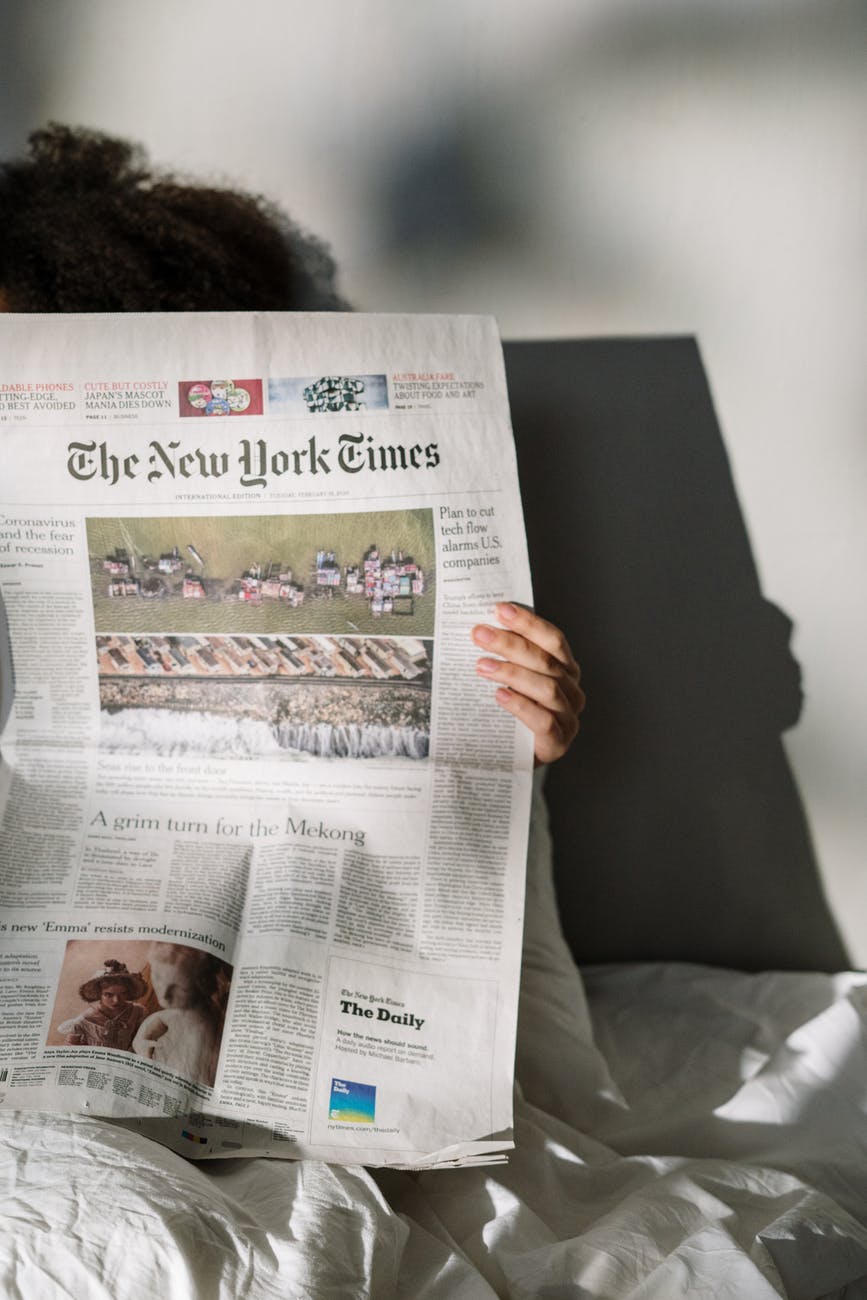
Photo by cottonbro on Pexels.com

“The press is protected [by the First Amendment] not for its own sake but to enable a free political system to operate. In the end, the concern is not for the reporter or the editor but for the citizen critics of the government.” -Anthony Lewis, New York Times

Given the current political unrest of our country, many Americans have finally found it necessary to engage the political machinations of the American system. One of the main tools that enables us to do this is mass media. We have seen the media continue to fail in its job of enabling “the public to assert meaningful control over the political process by providing them with information needed for the intelligent discharge of political responsibilities.” Instead we have seen our media “inculcate and defend the economic, social, and political agenda of privileged groups that dominate the domestic society and state.” It is for these exact reasons that I began to realize my own need for a framework to siphon media messages I receive. I needed a framework to identify lies, assist me in researching answers and enable me to craft ethical responses. These guidelines will help you hold the media to a higher ethical standard.

Sweeping Claims and Generalizations vs. Specific Facts and Incidents

In a click driven world, the media is constantly pushed to out sensationalize their previous work. This is why it is not an uncommon practice for the most extreme headline to be chosen to drive engagement. I find it important to not just look at the headline, but to examine the underlying story from all angles.

Headlines are often crafted with bias, keep this in mind when you read the article. Take note of sweeping claims and generalizations that allow the reader to do the least amount of mental processing and file characters within the story into “us” and “them” categories. 

Check the sources. Are there sources? Note their credibility in other contexts.

Offering some, but not ALL of the information

For any topic of news, I make sure to check news outlets that are right, left and moderate. I am then able to weigh out what common facts were listed and from those facts I am then able to form opinions more of my own making. Oftentimes news articles will leave out facts that are not supportive of their biased claims.

As Karl Popper noted, “ Whenever a theory appears to you as the only possible one, take this as a sign that you have neither understood the theory nor the problem it was intended to solve.”

Benefit of the Doubt – Innocent Until Proven Guilty

In a country whose judicial system is supposed to be founded on the idea of “innocent until proven guilty” the media does a great job of throwing the first stone. A clue I often use to tell me how ethical and unbiased a piece will be is their framing of guilt versus innocence. How quickly do they cast the victim and villain roles? The media should present evidence but make no assumptions of guilt, nor cast the villain. An ethical society should be able to draw these conclusions for themselves with regard to personal failings and criminal guilt will be determined by trial in a court of law.

Advocating Only for the Powerful

Articles can often seem to have a bend in favor of a particular person or party. If the goal of the media is to allow society “meaningful control over the political process” it should be using its voice to challenge power and highlight marginalized groups. Power is often central to political stories. When reading, I ask myself the question, “Who is seeking power here?” Asking this will allow you to see more clearly who, among the players, the media is trying to win power for.

Ad Hominem Attacks

“An ad hominem (Latin for ‘to the man’ or ‘to the person’), short for argumentum ad hominem, means responding to arguments by attacking a person’s character, rather than to the content of their arguments. When used inappropriately, it is a fallacy in which a claim or argument is dismissed on the basis of some irrelevant fact of supposition about the author or the person being criticized.”

Whenever you read pieces that attack a player out of context and do not seek to first address the ideas in question, it should cause you to pause. Often times personal attacks, name calling or labeling are lazy arguments and a way for the news media outlet to get out of presenting the associated ideas. This robs the public of yet another chance to form their opinions on fact and can often manipulate the public into believing a false narrative.

Confusion, Emotions, and the Importance of Taking Your Time

“The public is exposed to powerful persuasive messages from above and is unable to communicate meaningfully through the media in response to those messages….Leaders have usurped enormous amounts of political power and reduced popular control over the political system by using the media to generate support, compliance, and just plain confusion among the public.”

You are allowed to be wrong. You are allowed to seek truth. If you need to form an opinion on something, take your time and research. News can often have a heavy emotional push that drives hasty action. Take time to form your thoughts, direct your course and always be ready to readjust. I see this as an ethical duty. We are in many ways responsible for the influence we have on others and their opinions. If we seek to form a society that enables all humans to flourish, we should be trying our hardest to seek truth and to guide others toward it as well. Your words and what you do with the words of the media matter. Every time we enter into discourse we are shaping each other and society, for better or worse.

Resources:

W. Lance Bennett, News: The Politics of Illusion, 2d ed. (New York: Longman, 1988), pp.178-79

E.S. Herman, N. Chomsky, Manufacturing Consent: The Political Economy of the Mass Media (New York: Pantheon Books, 1988), pp. 298

Infographic for Crisis Communications Best Practices

I created this infographic as a piece of my Crisis Communications project for my capstone course in Strategic Communication. The goal was to create an info graphic that highlighted best practices for crisis communication scenarios. This infographic was specifically designed with Boeing and the 737 Max crisis in mind, but it is applicable across the board to crisis communication scenarios.

Beauty, Imagination and the Pursuit of Justice

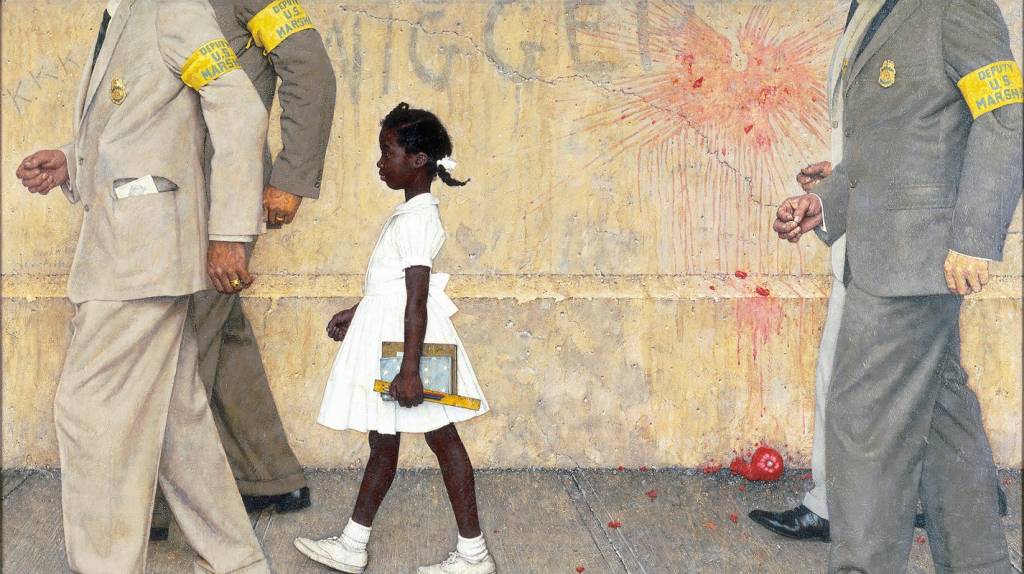
Norman Rockwell’s painting “The Problem We All Live With” depicting Ruby Bridges – the first black child to attend an all white elementary school in the South. Image from the website of the Norman Rockwell Museum.

Art has been used for centuries to point to the world we deeply desire and to the worlds we deeply don’t.

People often equate art with beauty and beauty in its variety of forms often moves us towards justice.

Beauty is universal. At any given moment in your life you have access to a form of beauty. It could be the love of a family member, a stunning sunset, a color, a meal, a painting, a speech, any small thing you observe during the course of your day. It is this exact universality of beauty that moves us to recognize justice should also be universal. Society should have equal access to justice in the same way we all have equal access to beauty. Beyond its universality, the experience of beauty alone causes a “radical decentering”. This de-centering allows humans to no longer see themselves as the focus of their surroundings and allows them to begin to see the inequalities around them.

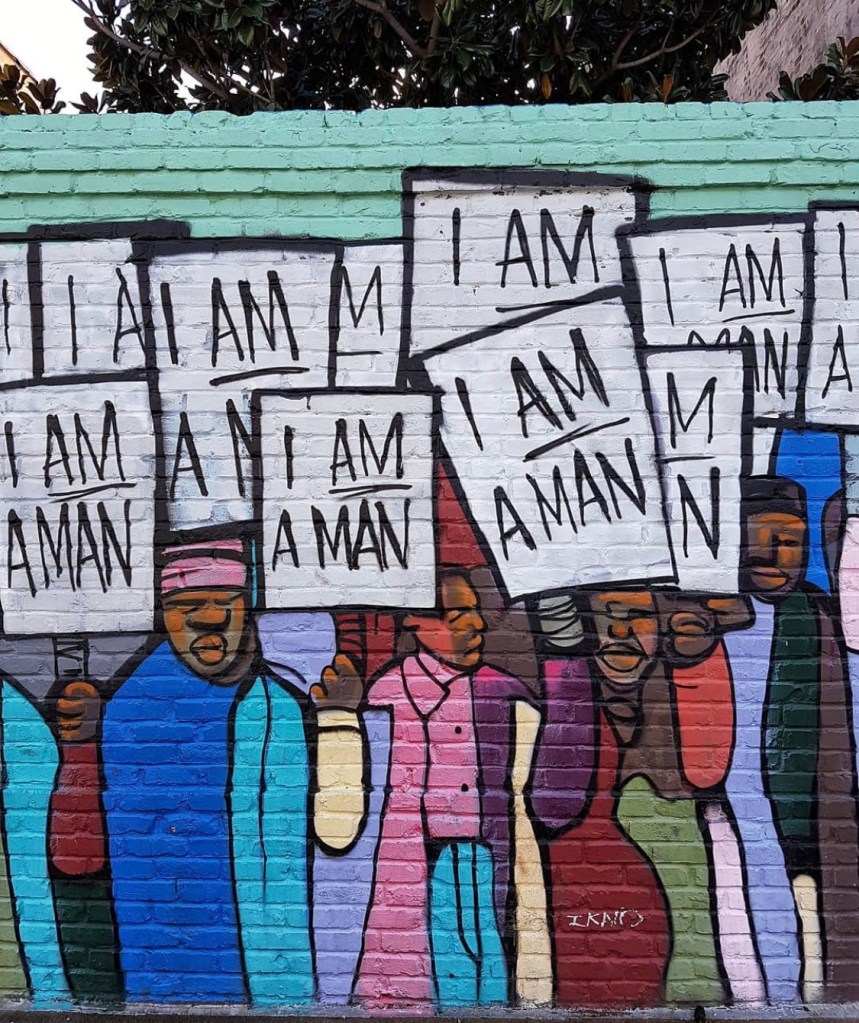
This piece is an homage to the Civil Rights Movement, based on the “I am a Man” march that took place on South Main. Marcel Lovelace modernizes history with bright colors and a graffiti-style.

Part of creating a more just society is visualizing a more just society. This can take the form of seeing things you no longer want to be a part of your society as well as seeing the things you do. In this way visual representation is pivotal to establishing a more just society. As humans we naturally emulate, desire to reproduce, and partake in the beauty we see around us. What better way for us to learn how a person should be treated or esteemed, than by seeing it in action? We use representational justice to achieve societal justice.

A pivotal part of our society’s work for human equality in the United States has been the use of images. Art and images help us to respect the full spectrum of human life. Indeed, art often puts to us the choice to keep a limited view of humanity or embrace a more expanded version. America’s progress requires images, requires art, because of the way it conjures our imagination about what a society could be.

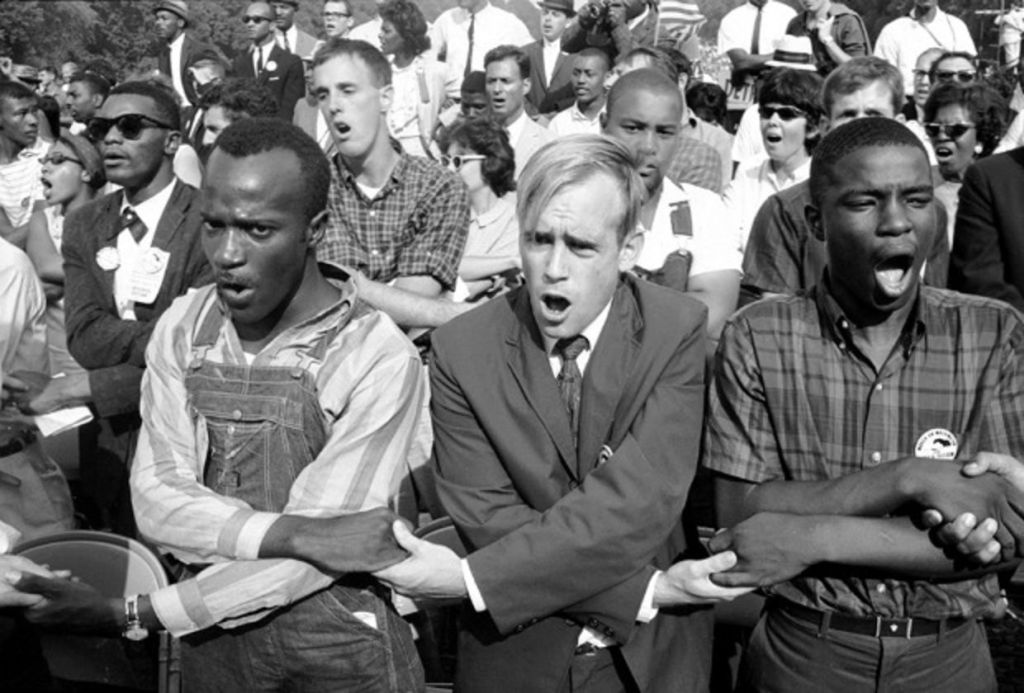
Holding hands during Martin Luther King’s Civil Rights’ Rally in 1963

“The endeavor to to affirm the dignity of human life cannot be waged without pictures, without representational justice.” -Sarah Lewis

Resources:

Lewis, S. E. (2016, Summer). Vision and Justice. Aperture, 223, pp.11-14

Scarry, E. (1999). On Beauty and Being Just. Harvard University Press.

My Favorite Disney Tips

1. Afternoon at TRADER SAM’S

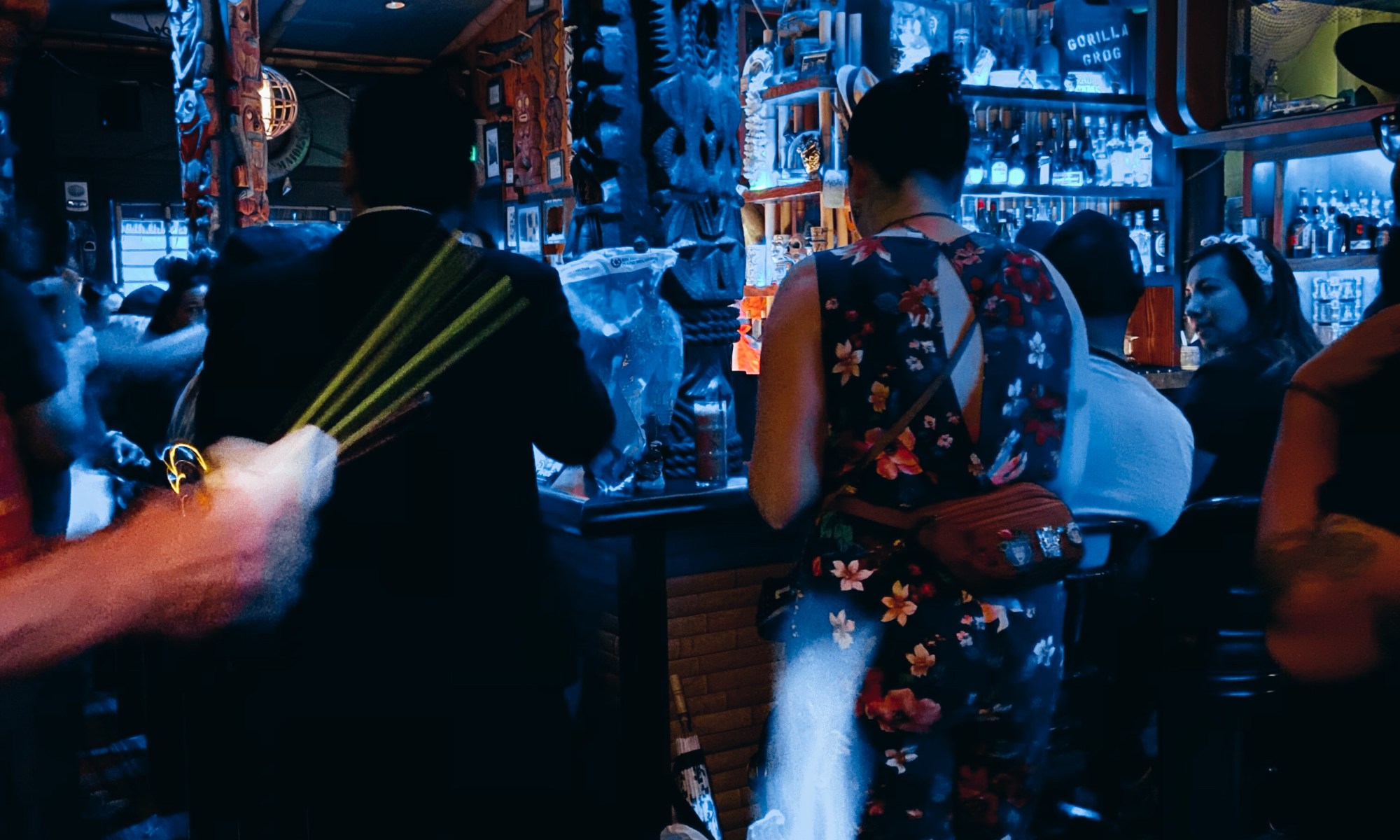
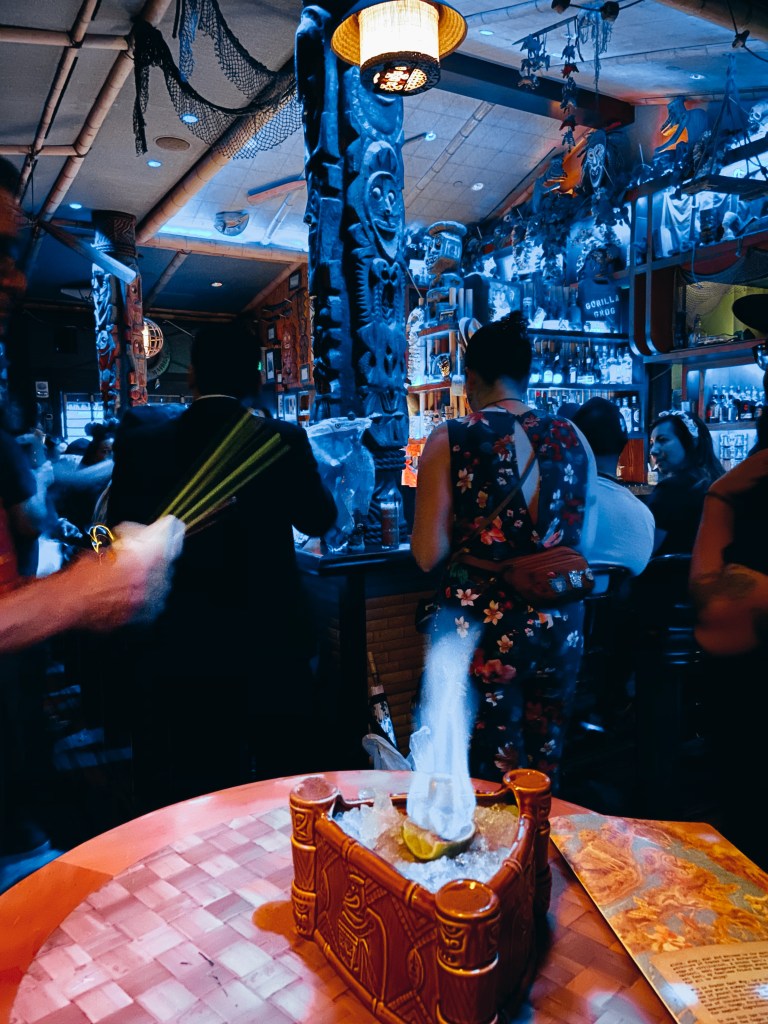
If you’re gonna be at the park for a few days or are a SOCAL local then I highly recommend checking out TRADER SAM’s. It is on the Disneyland Hotel grounds and is accessible without a park ticket. It’s a great place to escape the heat in the AC and grab an adult beverage. It’s still chock full of Disney vibes. It’s tiki themed and there are some pretty fun shenanigans the bartenders get up to for each beverage ordered.

2. Take the Monorail In

Depending on which side of Downtown Disney you are entering from, the monorail is a great way to to beat the crowds and save yourself a few steps. It will shuttle you right to Tomorrow Land. If you ride it in in the AM, it sets you up perfectly to grab your hard copy of the FASTPASS for Space Mountain. It’s also a fun way to orient yourself to the park and surrounding properties.

3. The Beast’s Library

This hidden gem is a must see for Beauty and the Beast fans and people looking for an air conditioned break. This tucked away spot is found in The California Adventure park in the back of the Sorcerer’s Workshop at the Disney Animation Building in Hollywood Land. You can find out what character you are from the film and watch the Beast and rose change in the interactive display.

4. Single Rider

Having been to the parks multiple times solo, single rider is a must know, but it can also be a great hack in groups as well. Indiana Jones, IncrediCoaster, Cars, Matterhorn, and many others offer it. Often times you may still wind up sitting with a friend too!

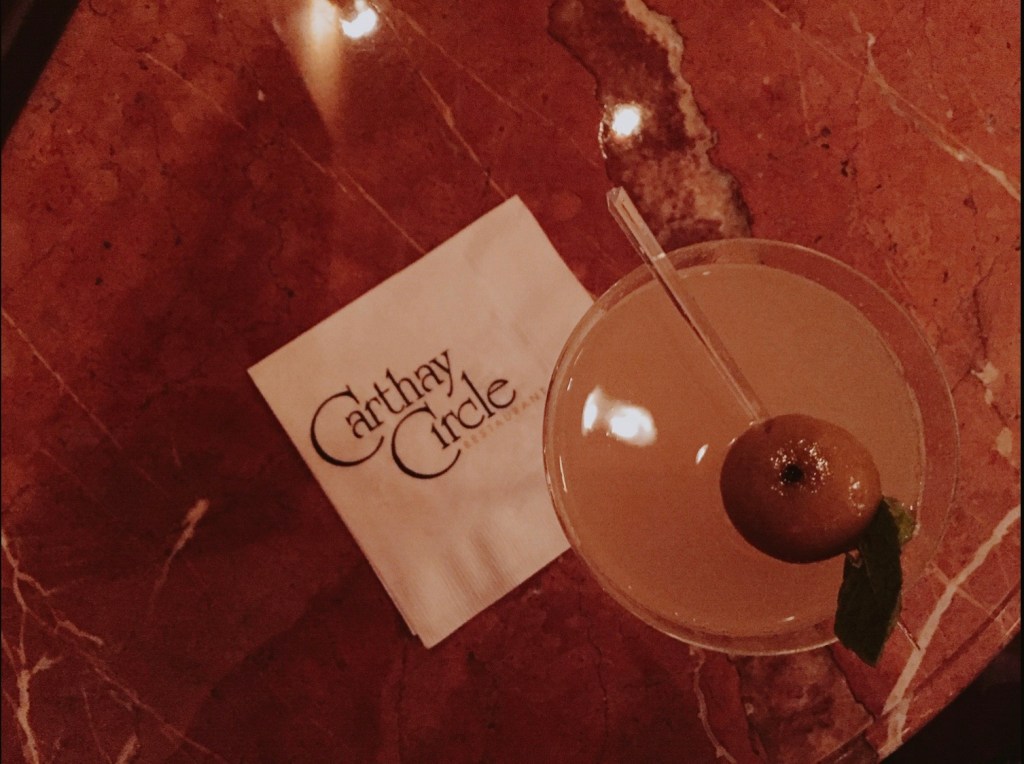
5. Carthay Circle Lounge

I’m going to round this list out with another air conditioned place to get adult beverages because we are still in the last throws of summer heat here in SoCAL. This spot is a great way to get some Disney history about the Snow White premiere and to kill a little time feel 1930s classic.

Hope you enjoyed the tips and recommendations! If you wind up using any of them, tag me on Instagram @mainstreetmarahute !

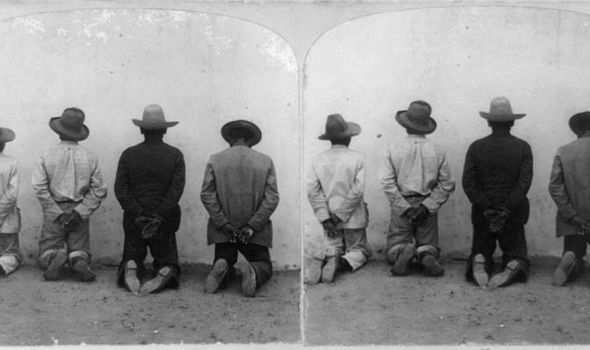
When Evaluating the Death Penalty, You Must Count All of the Victims

When it comes to the death penalty, we talk about the life of the perpetrator but oftentimes we don’t count the rest of the lives at stake. These peripheral victims stand to lose a lot if the death penalty is not abolished.

Studies have shown that one of the most compelling arguments against the death penalty is that there are innocent people convicted and killed. These are the truest victims of a practice that harms everyone it touches. The below article examines the other victims that we don’t always count.

1. The Families of the Victims

Often times the victims’ families suffer a disempowering path to “justice”. Against the popular narrative, a lot of family members feel that the death penalty does not provide justice or closure for either side. “For many families, execution has simply meant reliving the horrific event year after year, decade after decade, through the slow process of carrying out the death penalty.” They are revictimized for imaging a different path to justice, one that rethinks our punitive justice system and favors a restorative approach. “Many crime victims feel that execution circumvents true justice. These survivors would rather see the offender take responsibility for what they caused rather than just terminating their lives.” 

The death penalty gives victims’ families a figment of justice. One death can never equal out another or take away the pain of that loss. The execution leaves in its wake more wounded victims in the form of the executed’s family members. “Many of those who have healed best have not sought the death penalty, but found closure in forgiveness and restorative justice, or even in life in prison for the killer.”

 For more on what restorative justice could look like for all parties please read Shane Claiborne’s book Executing Mercy.

2. The Innocent Victims

“Death row is a nightmare to serial killers and ax murderers. For an innocent man, it’s a life of mental torture that the human spirit is not equipped to survive.” 
― John Grisham

The fact that there are innocent men incarcerated for crimes they have not committed should cause us to reconsider the death penalty for any man. “For every nine executions there has been one exoneration. And for every hundred people condemned to die, four are likely innocent.” Those stats are some of the most convincing for me against the death penalty. Better every man convicted serve life, then one more innocent man be killed.

3. The Executioners and Correctional Staff

It is clear that the cost on the correctional staff is vast. Our system is set up to place separation between correctional staff and inmates, but oftentimes years long relationships are formed between these individuals who are later killed in close proximity. “A 2016 documentary, ‘There Will Be No Stay,‘  portrays the trauma experienced by correctional staff that carried out executions. “Execution team members experienced acute post-traumatic stress disorder…Others suffered from similar nightmares, insomnia and addiction.”

4. Society and Our Country as Whole

There is no man so bad that he cannot be made good for something. No man should be put to death, even as an example, if he can be left to live without danger to society.” 
― Jean-Jacques Rousseau

Use of the death penalty says a lot of about the type of place a country that uses it aspires to be. Currently the U.S. ranks towards the top along with Syria, China and Vietnam. It conveys a lack value for human life and a clear misunderstanding of the cycle of violence. For a country to place value on human life, they need to understand that all human life is included. Executing perpetrators robs victims of the opportunity to experience restorative justice and true forgiveness. Both are essential to human flourishing. The death penalty ultimately costs every party involved so much. Anger may say that an eye for an eye is the path to justice, but the only justice worth having is laced with repentance, mercy and forgiveness. Pursuing this kind of justice is the path to true human flourishing.

“The death penalty is not about whether people deserve to die for the crimes they commit. The real question of capital punishment in this country is, Do we deserve to kill?” 
― Bryan Stevenson

Changing My Mind on the Death Penalty

I didn’t always believe eradicating the death penalty was something essential to the flourishing of human society, but what I have shared below helped change my mind.

I’ve seen A LOT of crime television in my day. I remember watching episodes till the end and what I thought was righteous anger would well up in me as some of these perpetrators were given the death penalty. I would think to myself, “Good. Justice was served, they got what they deserved.” What eventually altered my mind about the death penalty a few years later was a journey through numerous books, one month on jury duty, and being clearly presented with facts about the effects of the death penalty on the victims’ families, correctional staff and society. I’d like to share with you some of things I’ve found helpful in examining the death penalty in the hopes that you will see the death penalty as a practice that harms everyone it touches.

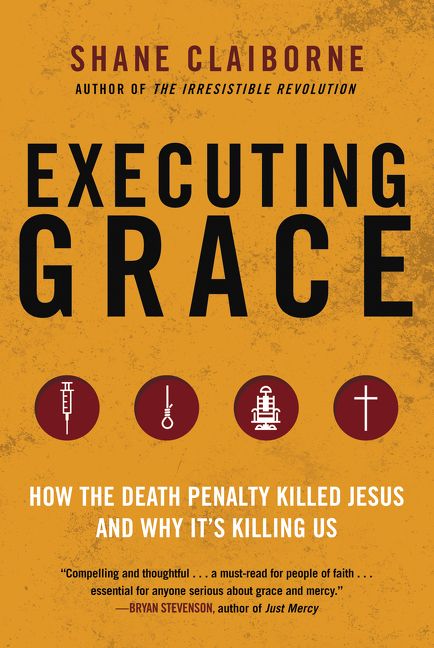
1. Shane Claiborne’s Book Executing Grace

When it comes to the death penalty, I expected this book to talk about cost and death count, I even assumed it would talk about the wrongfully convicted, but I was very surprised to hear about the peripheral victims. The victims we don’t often think of are the family members and the correctional staff. When it comes to family members, this book does a great job or showing that “Many of those who have healed best have not sought the death penalty, but found closure in forgiveness and restorative justice, or even in life in prison for the killer.” Secondly it addresses the psychological toll on the correctional staff and executioners. The book shares a story from a prison warden who oversaw 5 executions and speaks about the toll on his employees and his own mental health. He remarked that, “killing someone, even a murderer, also kills some of the good in you.”

2. The Innocence Project

More often than we want to recognize, some innocent defendants have been convicted and sentenced to death. – Supreme Court justice Sandra Day O’Connor.

The fact that there are innocent men incarcerated for crimes they have not committed should cause us to reconsider the death penalty for any man. The Innocence Project works to exonerate the wrongly convicted and made me aware that wrongful convictions do happen and often times are racially biased. “For every nine executions there has been one exoneration. And for every hundred people condemned to die, four are likely innocent.”  Those stats are some of the most convincing for me against the death penalty. Better every man convicted serve life, then one more innocent man be killed.

3. Jury Duty and the Role of Individual Experience

About a year and a half ago I spent a month on jury duty for a murder trial. That month exposed me to some dark scenarios that happen on a regular basis in the underbelly of my city. The perpetrator grew up in a drug filled home and was afforded few of the privileges others have been. It caused me to evaluate the way in which the circumstances we are born in affect us. It caused me to question if we as humans have the right to take another life and to determine what justice is. We are very quick to assume our innocence in the same situation, when we have never walked that path. I think any person who would blindly say they have the right to take a life for a life is missing the point of what true justice, true innocence, and true restoration could be. That’s why I am sharing these things with you. I want Americans to be able to enter into these conversations thoughtfully and emerge with an improved system that is equal parts mercy and justice. For us to do that, we need to evaluate the information in front of us humbly and decide what kind of nation and people we want to be.

There is so much more to learn about the true cost of the death penalty. For more information please check out these resources:

The Innocence Project

Executing Grace

Death Penalty Information Center

Just Mercy

All quotes in this article were taken from Shane Claiborne’s book Executing Grace.

Reed & Rye Floral Design

Ashley Renee, the creative visionary behind Reed & Rye talks inspiration, creating a wedding with forever in mind, and her favorite bloom.

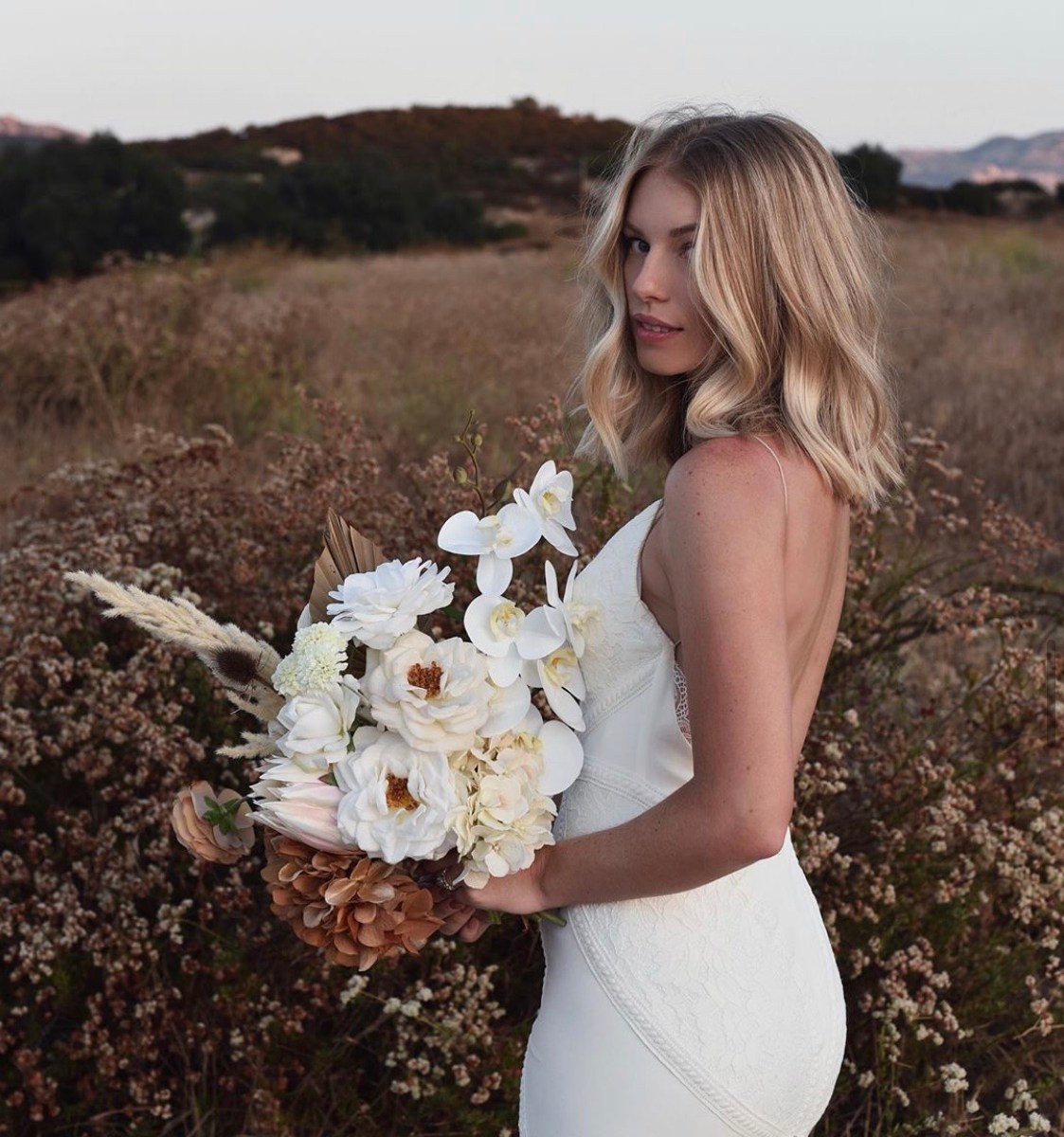
bride with floral bouquet
Ashley Renee of Reed & Rye Photo by Andre Argaez

Fresh beginnings from fresh blooms…

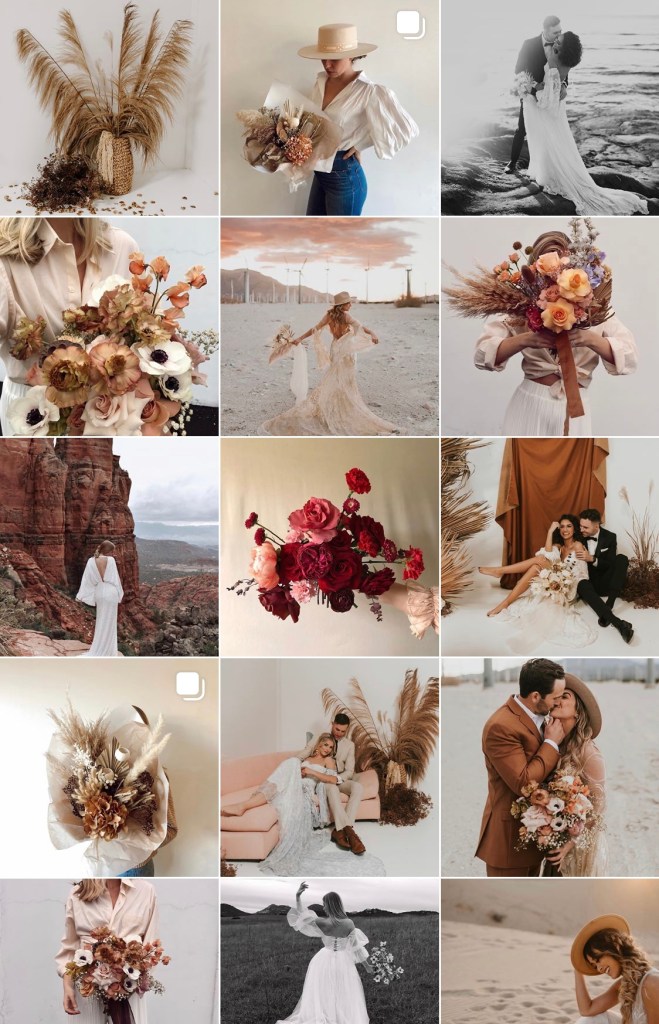
Ashley Renee launched her company in the Summer of 2019. Her Californian roots go deep. She was raised in Visalia and moved to San Diego in 2017 for a Dental Hygienist position. She met her husband after moving to San Diego from Visalia. During the planning of her 2019 wedding she realized she could channel her natural creativity into a career providing florals and event styling, all while tapping into her Californian roots. Reed & Rye’s Instagram feed exudes Californian beauty and boho vibes. It showcases the diversity of her creativity as a floral artist.

Reed & Rye’s Instagram Feed

Ashley has always been a creative at heart, as a kid she made jewelry and was president of the art club in high school and even took drawing classes in college. Art has always been a huge part or her life and frequently colors the ways she sees things. When her natural creativity was introduced to wedding planning she gravitated towards the floral and event design aspects of it the most strongly. It was the “shapes, colors, and textures” that drew her to floral design.

Ashley has a keen artistic eye and a distinct style. She’s most inspired by “warm tones, the variety of complex textures, and just the ability of a dried flower or foliage to live on past it’s typical life span for years to come!” It was this love of creating something that could last which led her in a slightly new direction.

Venturing into new flowering territory…

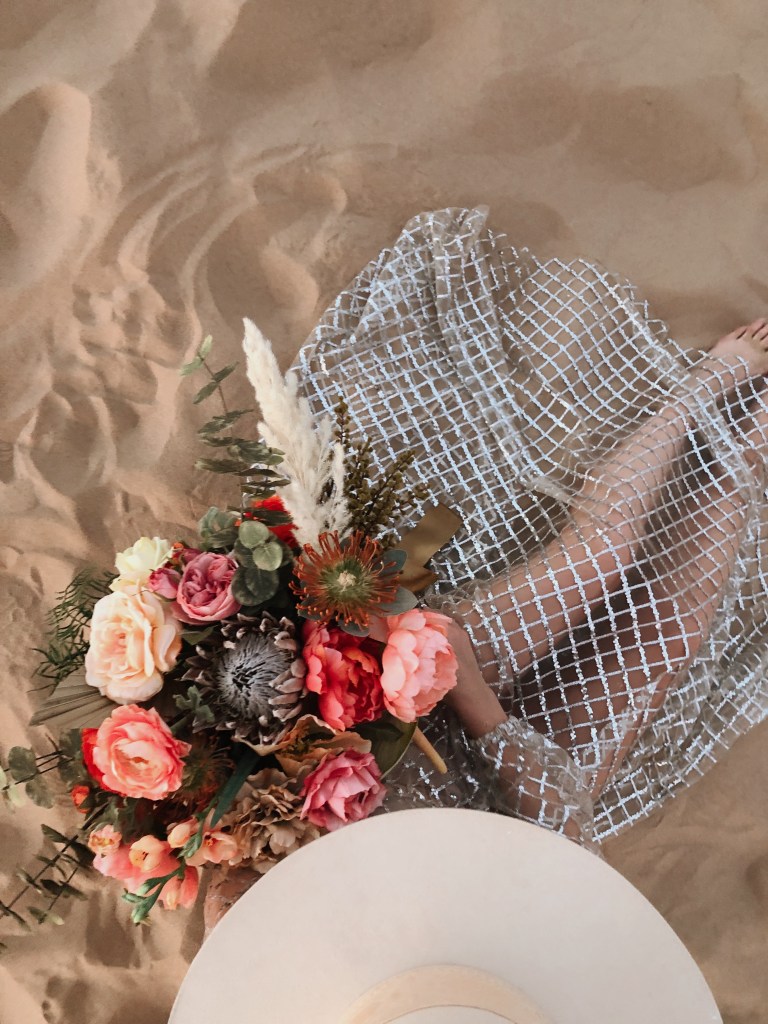
Wanting to reach more than just Southern California, Ashley recently “ventured into a new territory of flowering. The typical bride spends on average $250 for her wedding bouquet and then it sadly dies.”  Ashley opened up an Etsy store selling forever bouquets and arrangements for special occasions. These allow her clients to keep their wedding bouquets forever or gift a forever arrangement. These are made with a mixture of silk and dried florals and are equally stunning to the fresh florals she provides for events. She has “come up with options for brides to purchase bouquets that will last for years to come! Whether it be an all dried bouquet or a silk floral bouquet, they will stay in great shape and will serve as a wonderful memory of their beautiful day.” 

Forever bouquet by Reed & Rye . Photo by Hannah Pennell

Ashley’s favorite bloom…

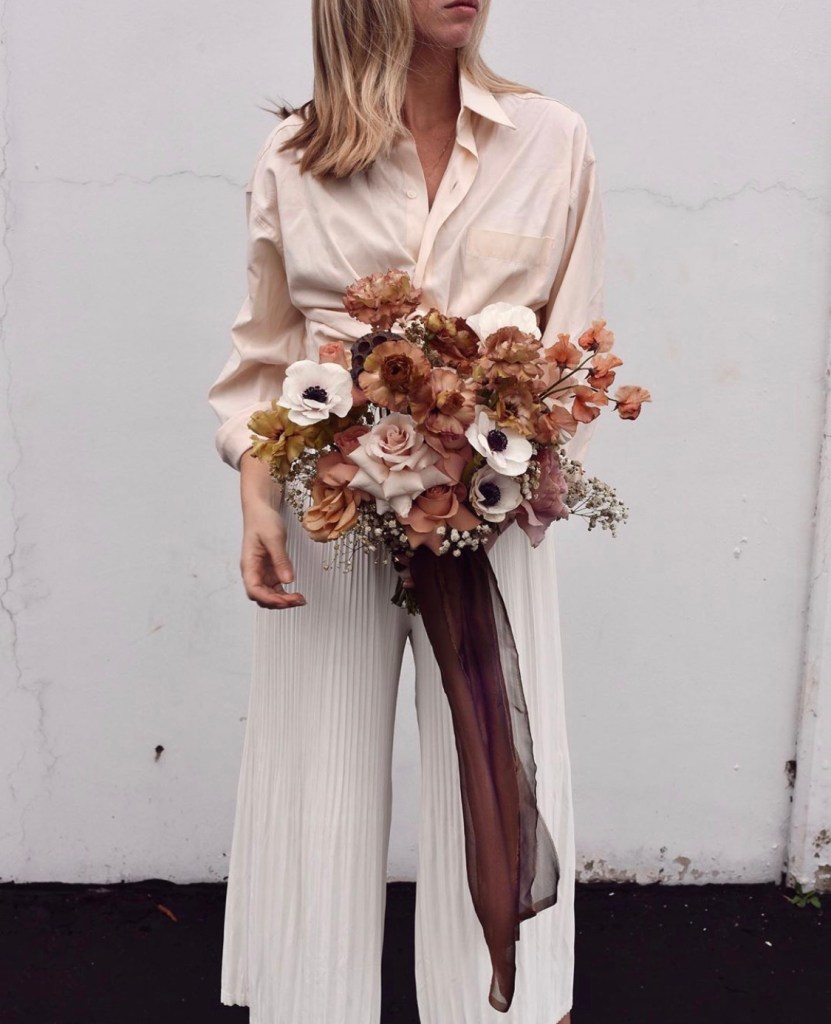
When I asked Ashley what her favorite bloom was she said it was the Brown Lisianthus. I’d never seen this flower before, but fits with her warm boho vibes perfectly. For further inspiration, couples can check out Reed & Rye’s Instagram, Facebook, Pinterest, and Etsy.

Ashley Renee with Brown Lisianthus, her current favorite bloom.

About the Author

Hannah Pennell writes about all that is style and fashion. She enjoys using her writing to shed light on artists and creatives in the San Diego area. She’s a big believer in breakfast, talking philosophy, and all things fashion. Follow her on Instagram and Twitter.

Dressing a Galaxy

Highlights from Trisha Biggar’s Star Wars’ costumes. This blog shares details on a few of the costumes from the book Dressing a Galaxy.

As a HUGE Costume Design enthusiast I knew I had to get my hands on Trisha’s Biggar’s book, Dressing a Galaxy. The costumes have forever inspired me and stand out to me as a true standard for what is possible with costume design. Her research, attention to detail, and craftsmanship are extraordinary.

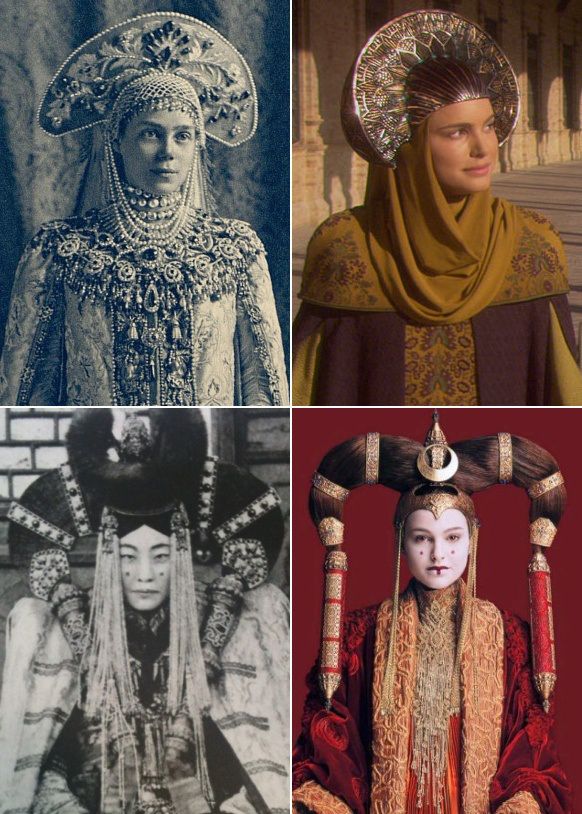
Trisha Biggar pulled from many sources to create the costumes you see in the Star Wars prequels. Biggar was strongly influenced by different cultures and periods, which is reflective in her use of materials. According to her Production Designer on these films, “She is passionate about the history of costumes, and she is always conscious of how her own designs relate to that history.” Click on the photo below or this link for more insight on cultural and historical influences on Biggar’s design.

As with a lot of films a great deal of work went in prior to shooting. The art department began prepping for Episode I three years before they began shooting. Nine months before they began principle photography, Biggar began to work full time. For Episode I she created a facility at a studio with 60 to 100 people. They worked long hours to create the film’s hundreds of costumes. They sourced materials from fabric fairs all over the world and worked directly with manufacturers in China, India, and Hong Kong.

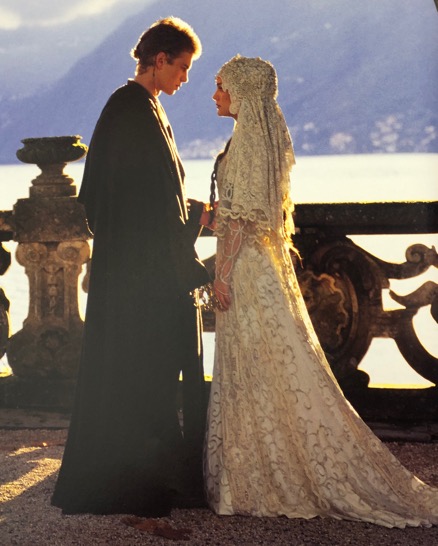
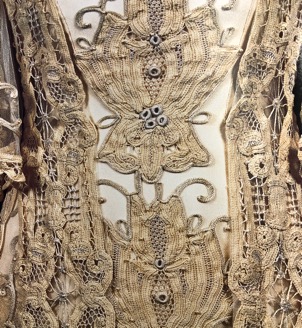
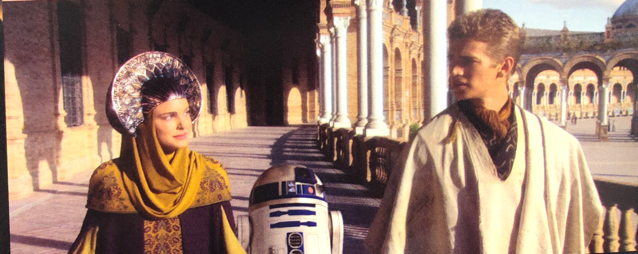
Almost 100 were created for the the Star Wars prequels. A fan favorite of these is Padme Amidala’s wedding dress featured in the scene showing her marriage to Anakin Skywalker on Naboo. This wedding dress was made from an antique Victorian era bedspread. The bedspread was not quite large enough for the predesigned dress, but Biggar and George Lucas loved the lace so much that they altered the previous design. 

Anakin Skywalker and Padme Amidala marry on Naboo.
Padme Amidala veil from wedding ensemble

Utilizing the talents of an embroidery facility in Sydney, they appliqued with a manual satin stitch the available embroidered sections from an antique lace bedspread onto eleven silk tulle pattern sections that would eventually become the wedding ensemble. Since the amount of vintage fabric was limited, Biggar’s team made 300 yards of French-knit braid for Cornely scrollwork, to combine and meld the panels. The finished dress was studded with pearls.

The wedding dress was not the only costume in the film to incorporate vintage pieces and remnants. According to Biggar, “The distinctive qualities of antique textile pieces always appeal to me, and I particularly like being able to resurrect vintage materials and trimmings, revitalizing often delicate bits of embroidery, beadings, or lace from the Victorian era (or earlier) and incorporating them into new garments.” 

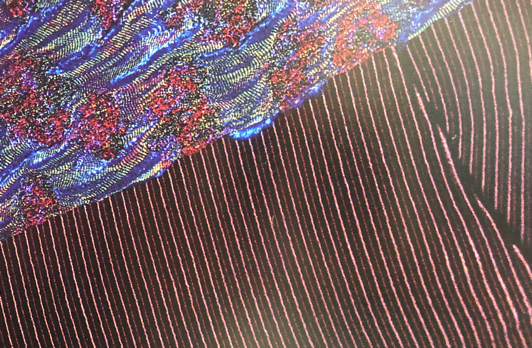
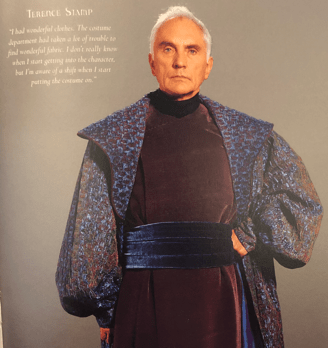
Close up of the vintage French fabric for Chancellor Valorum’s costume.
Chancellor Valorum

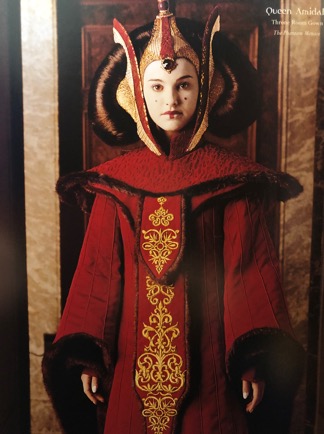
Biggar happened across some rolls of vintage 1930s and ‘40s fabric originating in France. She used these to create several costumes including Chancellor Valorum’s bruise-colored corded silk underrobe (see above) and the sunray-pleated underdress in orange shot silk in Amidala’s Throne Room Costume. The neck of Queen Amidala’s Throne Room Costume was enriched by placing layers of gold glass-bead fringing and Victorian bullion-embroidered lace motifs over the yoke area (below). 

Queen Amidala’s Throne Room costume.

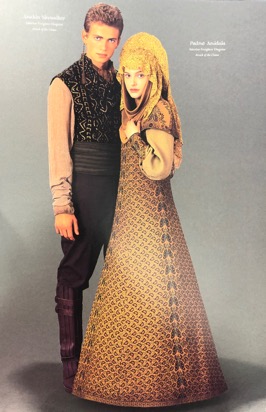
Antique items were used in the costumes of Anakin Skywalker as well. Biggar used items from Africa for the creation of his Interior Freighter Disguise costume. It consists of his Jedi trousers and a taupe raw-silk open-weave undershirt. Biggar also used African mud cloth fabric  for a double-breasted vest. She completed the look with a dark green cummerbund, and a tan-and-green neck scarf, combined with a woven poncho in an off-white, vintage African fabric.

Interior Freighter Disguise

If you’re anything like me, I’m sure you were nerding out reading that. It’s so neat to see all that fashion from “a galaxy far, far away” has to offer. I hope this motivates you to rewatch the films and check your local library for Trisha Biggar’s book! May the force be with you!

Photos and information for this blog post were taken from:

 Biggar, T. (2005). Dressing a Galaxy: The Costumes of Starwars.China: Palace Press International.

Project Reflection Assignment

Collect came up because I love planning events and rarely have enough space to do so. I wanted to create a kind of guide that would help people plan more events in their area while using outdoor spaces. When I was developing the different material for Collect I had the most difficulty with the logo portion and Illustrator so I knew that there was the most room for improvement here.

I love the logo I created. I think the circle is communicative of coming together and the Sad Diego skyline makes it obviously its outside and San Diego. I wanted the logo to be more versatile than the bluish one I created and I also wanted a version of it I could use over my film in Premiere. 

Firstly, I reversed the stroke. So that it was more of just a clean line around the circle. I used the magic wand tool to remove the background of the circle and deleted the other purple ellipse layer. Then changed the logo to a pure white. To make sure I had created clean lines I exported this image for use over the photo you see below in photoshop and I also used the logo in my final video story. I was pretty proud of that. Building it from scratch and then using in a different project was cool.

I think this logo could be used for a variety of professional projects from fliers to videos to shirts or bags. I think all of those things would also be great ways to reach the audience, which is women from 25-35. I think the logo is fitting for a younger and modern audience because it has a clean aesthetic.

Overall, I have LOVED this course and learned so much about these fun programs!

Final Video Story

This image has an empty alt attribute; its file name is img_5629.jpg

For the final Premiere video project I settled on the idea of hosting a picnic as a kind of promotional video for Collect since it’s all about gathering creatively in your area. I thought for a bit about doing a how-to video, but felt like I’d already covered that with the audio story and so wanted to focus on visually telling the story of a picnic as a commercial for Collect. I envision this video on the main webpage or Facebook group for Collect.

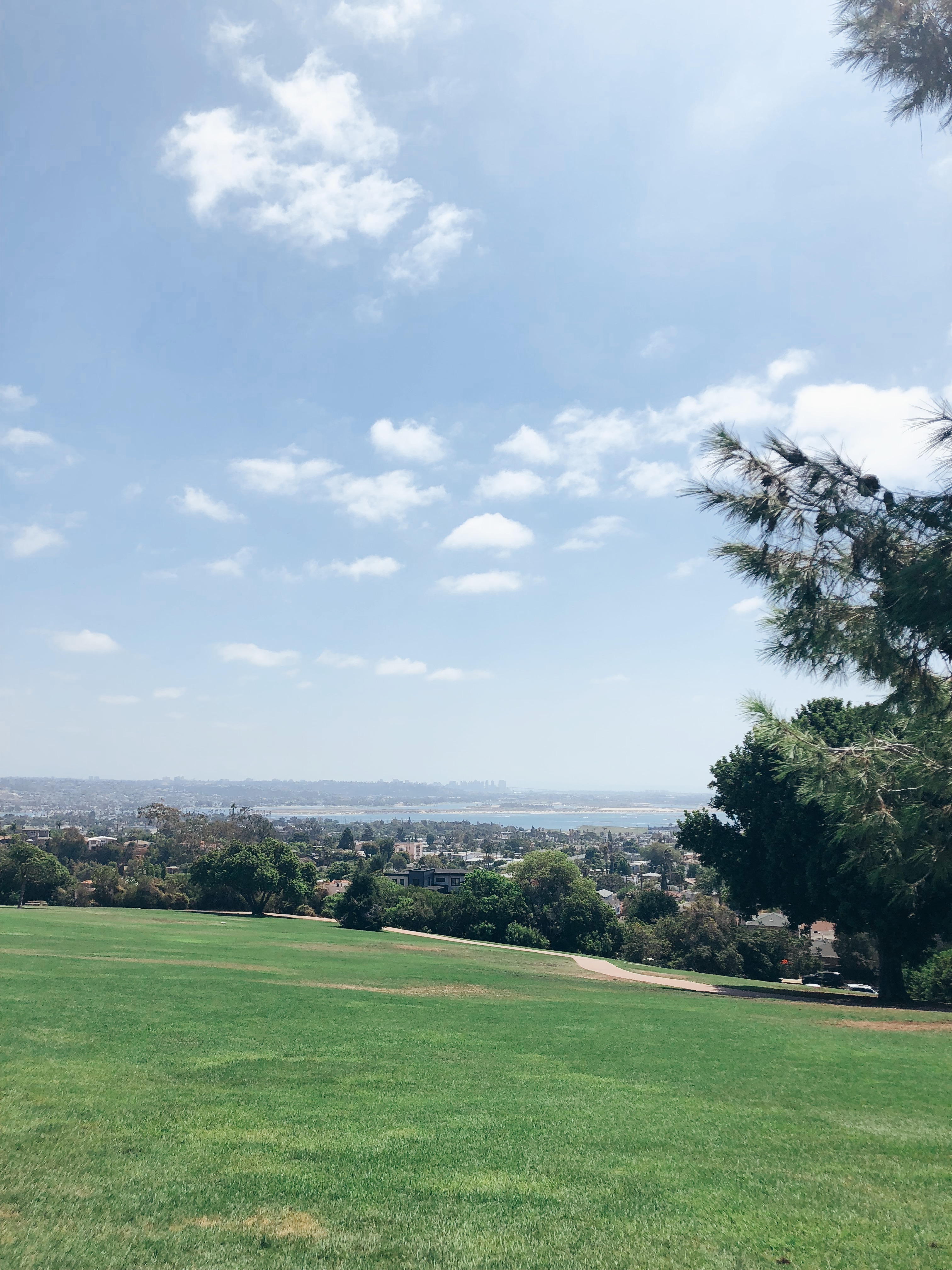
I knew exactly the park I wanted to host it at. It’s this great park called Kate O. Sessions that looks out over all of San Diego and has a great view of the city skyline. I figured this was fitting because of the logo that I designed for the Illustrator portion of this class. Once I settled on location I reached out to Reed and Rye (who I interviewed for my audio story) to see if she wanted to design the picnic. She was in! Next, I reached out to a friend currently in school for Peace and Justice to see if she wanted to give a sort of TED Talk to give our event some extra substance.

This image has an empty alt attribute; its file name is img_6025.jpg

Once we nailed down the logistics, we arrived early last Sunday to set up. I neglected to create a shot list prior to and tremendously regret it because once we got set up and people started arriving it was hard to stay focused. Turns out it’s really hard to film an event you are in fact attending.

Edit image

For filming, I used a mixture of my cellphone and my Canon DSLR. I knew I wanted lots of close ups of the food spread and tons of footage of my friends. The shots were harder to get than I planned for. I am very shaky filming even when I try to keep the camera and my elbows close. A lot of the footage I gathered was too shaky or quick to use. I needed to remind myself to slow down and stop filming vertically!!

To begin the actual editing process I loaded up all my clips into Premiere and made smaller clips to fit into my sequence. The clips I originally had sequenced without the other park shots I gathered this week. The music I have attached was found on SoundCloud. It is called Positive Ukulele by Sokolovsky Music. I chose this music because of its positive relaxed vibe just like our picnic.

To start the final edits this week, I returned to the park for the establishing shots and more shots of the park’s amazing views. Next I went into Illustrator to edit my logo to a white and see through version of my original logo. I placed this logo over the beginning and the end of the film and used film dissolve transitions. I then incorporated the rest of the park footage and added transitions in between each of the clips. I tried to used transitions that would make the choppy bits flow a bit better. I got some feedback on them being out of focus and too quick. I still so regret not filming the picnic aspects better, but I had to work with the footage I had. I couldn’t reshoot the whole picnic. 😉 Next I had the music fade out at the end. On order to incorporate more of the feedback I received, I did add a line at the beginning to incorporate more of an “about”, but to me it looked busy so I removed it. I recognize this video does not have a voice over, but I feel the video itself accurately articulates that Collect is about “gathering creatively”. Additionally, it will make a great welcome to our webpage. Hope you enjoy! 🙂

TimestampVisualsAudio
0:00Close up of tree then pan to skyMusic begins
0:01Collect Logo fades inMusic continues
0:04Collect Logo Fades outMusic continues
0:05City skylineMusic continues
0:09Close up picnic shot panning to friends circledMusic continues
0:20Close up of foodMusic continues
0:22Park wide shotMusic continues
0:24Jess in foreground smiling others in back Music continues
0:28Tree shot panning to branchesMusic continues
0:33Close up shot of picnicMusic continues
0:37Wide shot of groupMusic continues
0:40Picnic closeupMusic continues
0:46Wide shot of park framed by branchMusic continues
0:49Medium shot of opposite side of groupMusic continues
0:53Picnic close upMusic continues
0:55Lower angle shot of group from belowMusic continues
1:01Picnic close upMusic continues
1:03Smile close up shotMusic continues
1:06Grass foreground scenic shotMusic continues
1:08Collect logo fades inMusic continues
1:11Collect logo fades outMusic continues
1:14Grass foreground scenic shot fades outMusic fades