
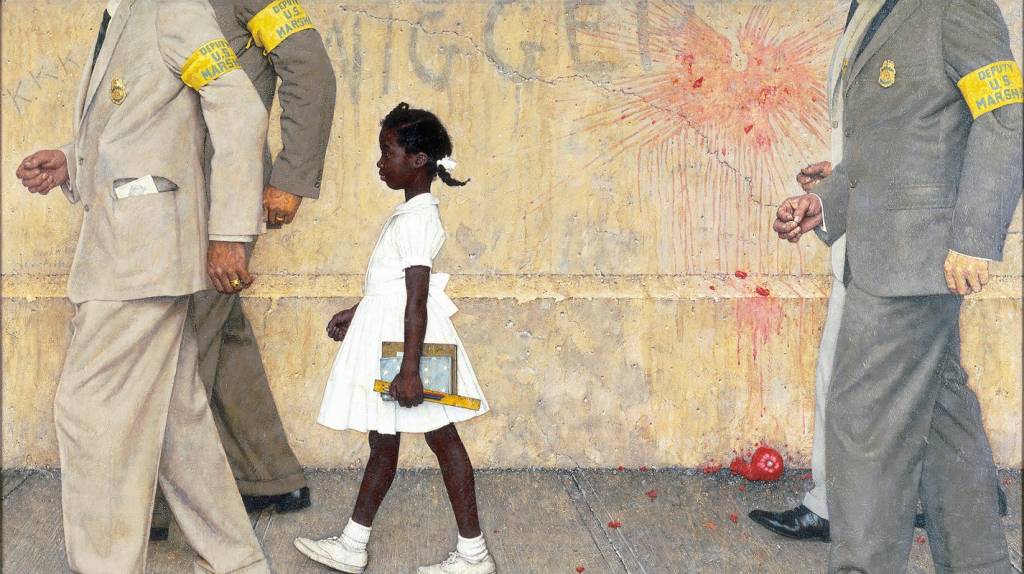
Art has been used for centuries to point to the world we deeply desire and to the worlds we deeply don’t.
People often equate art with beauty and beauty in its variety of forms often moves us towards justice.
Beauty is universal. At any given moment in your life you have access to a form of beauty. It could be the love of a family member, a stunning sunset, a color, a meal, a painting, a speech, any small thing you observe during the course of your day. It is this exact universality of beauty that moves us to recognize justice should also be universal. Society should have equal access to justice in the same way we all have equal access to beauty. Beyond its universality, the experience of beauty alone causes a “radical decentering”. This de-centering allows humans to no longer see themselves as the focus of their surroundings and allows them to begin to see the inequalities around them.
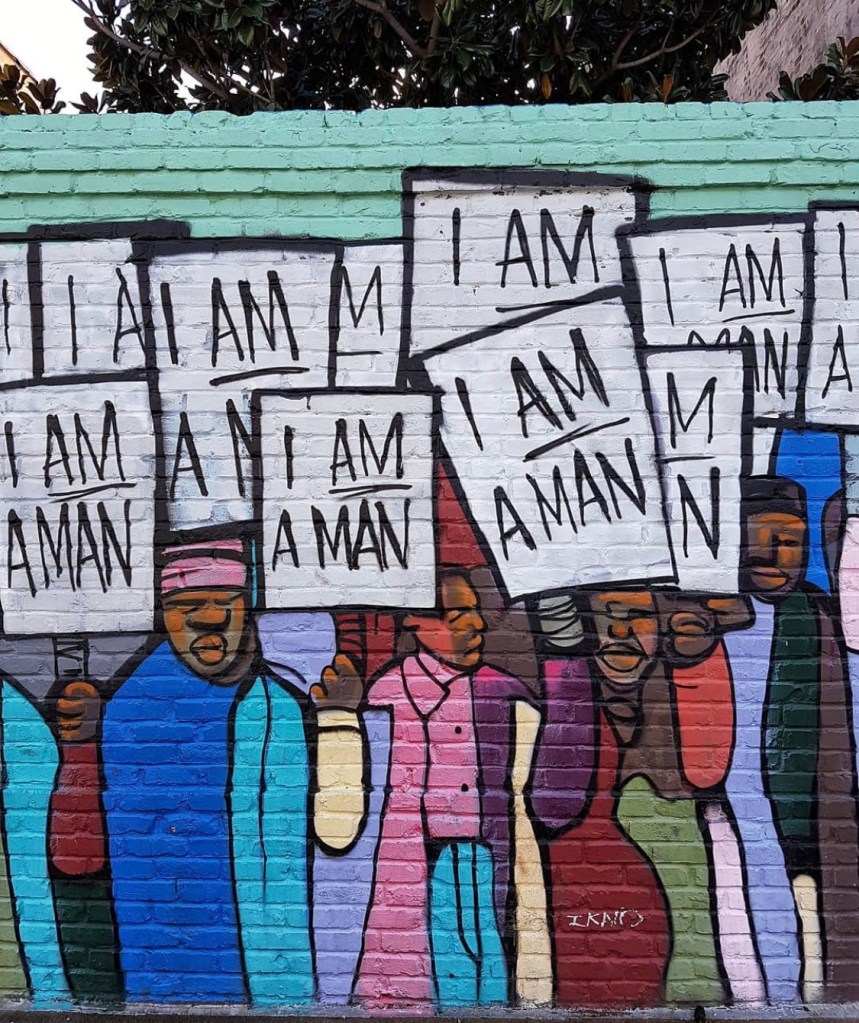
Part of creating a more just society is visualizing a more just society. This can take the form of seeing things you no longer want to be a part of your society as well as seeing the things you do. In this way visual representation is pivotal to establishing a more just society. As humans we naturally emulate, desire to reproduce, and partake in the beauty we see around us. What better way for us to learn how a person should be treated or esteemed, than by seeing it in action? We use representational justice to achieve societal justice.
A pivotal part of our society’s work for human equality in the United States has been the use of images. Art and images help us to respect the full spectrum of human life. Indeed, art often puts to us the choice to keep a limited view of humanity or embrace a more expanded version. America’s progress requires images, requires art, because of the way it conjures our imagination about what a society could be.
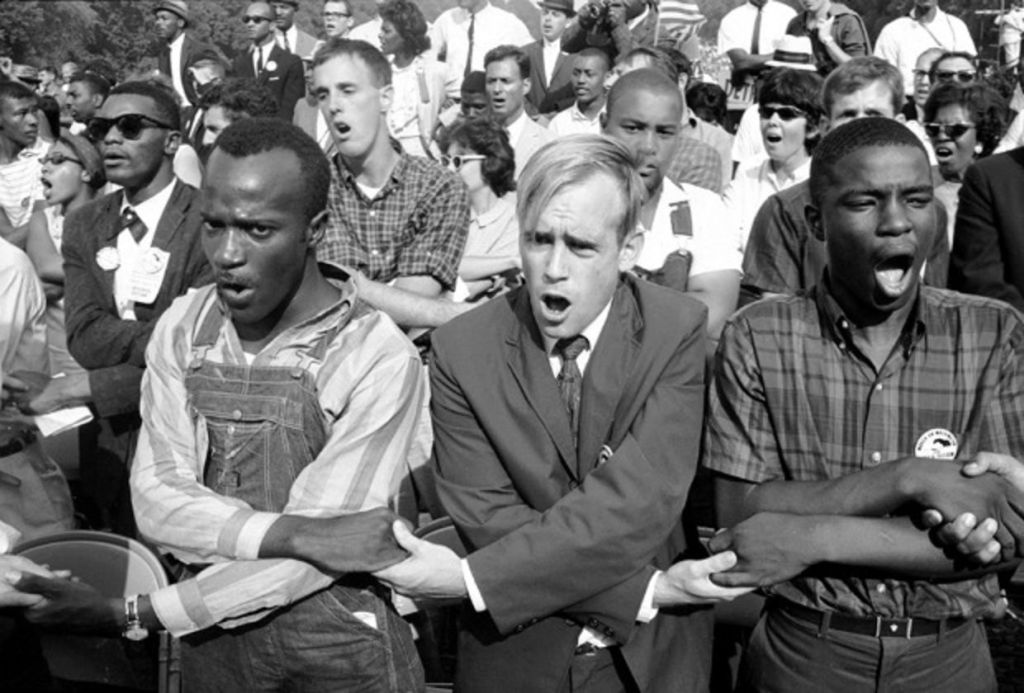
“The endeavor to to affirm the dignity of human life cannot be waged without pictures, without representational justice.” -Sarah Lewis
Resources:
Lewis, S. E. (2016, Summer). Vision and Justice. Aperture, 223, pp.11-14
Scarry, E. (1999). On Beauty and Being Just. Harvard University Press.
 Hannah Pennell Communication